I-70
Check road conditions
Colorado DOT recommends checking current I-70 conditions before mountain travel. Closures, crashes, snow and congestion can quickly change the trip.
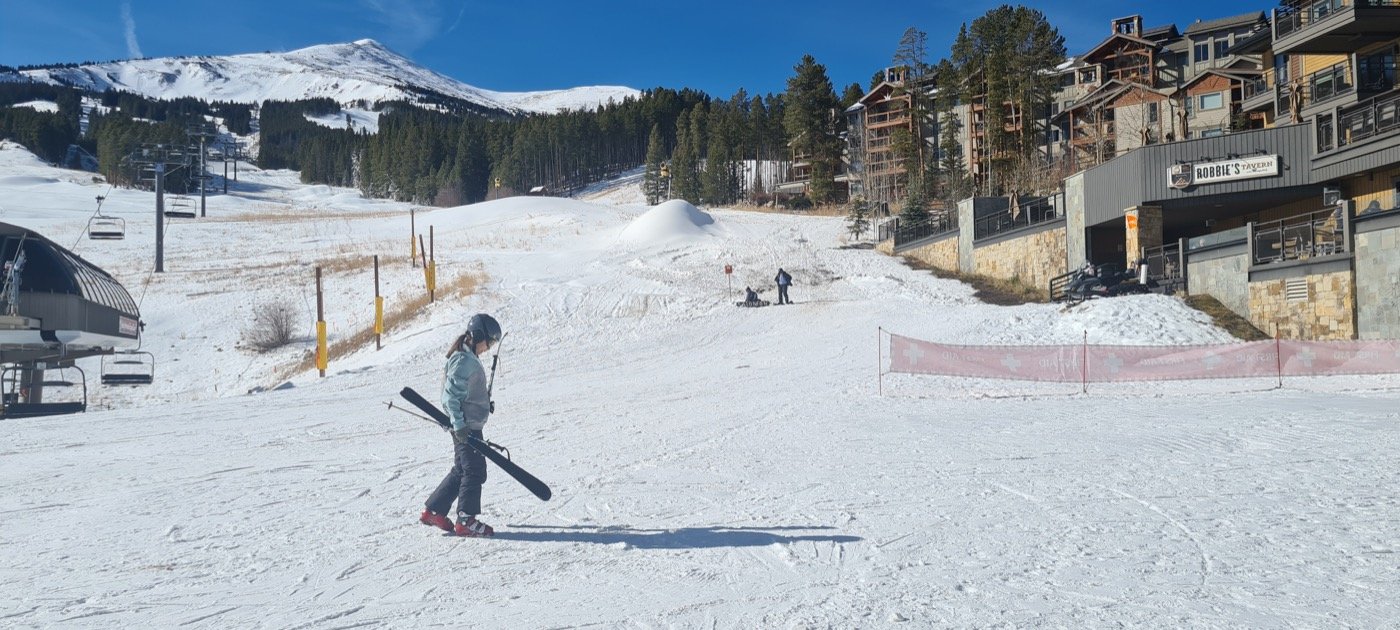
Prepare for the I-70 mountain corridor, changing weather, winter traction requirements and the vehicle you want for your Colorado trip.
The usual trip heads west toward the I-70 Mountain Corridor before turning toward Summit County and Breckenridge. Mountain traffic and weather can make travel time vary significantly, especially on ski weekends and during storms. Check current conditions shortly before departure rather than relying only on a normal map estimate.
Colorado DOT recommends checking current I-70 conditions before mountain travel. Closures, crashes, snow and congestion can quickly change the trip.
Colorado has seasonal and weather-dependent traction requirements on the I-70 Mountain Corridor. AWD alone does not replace proper tire requirements, so confirm the current law and road conditions before driving.
For ski trips, consider passenger count, luggage and equipment as well as drivetrain. A crossover or SUV can make packing easier for longer mountain trips.
AWD can help provide traction when accelerating, but tires, tread depth, road conditions and careful driving remain critical. Colorado DOT states that current traction-law compliance includes specific tire and tread requirements, and severe conditions can trigger additional chain or approved traction-device requirements. Always follow the current posted restrictions.
Check the weather and COtrip before departure, review Colorado traction requirements, allow extra time during peak mountain traffic, confirm your fuel or charging plan, and make sure luggage and winter gear fit comfortably. During snow or ice, reduce speed and increase following distance.
Compare DIA Ride AWD crossovers, SUVs and EVs for your Colorado trip. Live availability, pricing, protection, payment and reservations are handled securely on Turo.